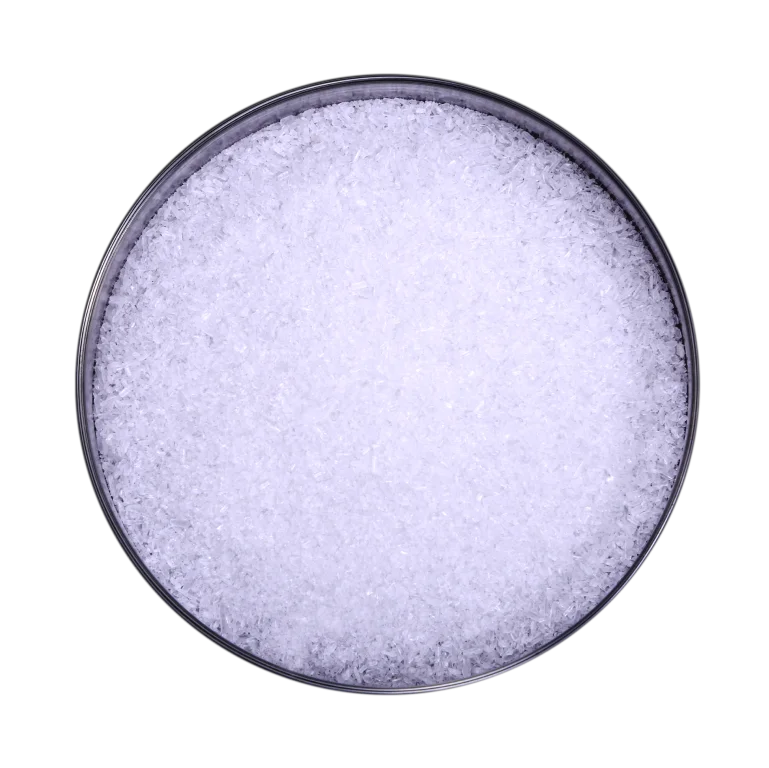
The significance of magnesium in plant physiology becomes evident in its association with photosynthesis, the life-sustaining process by which plants convert light energy into chemical energy. Magnesium’s presence is indispensable for the synthesis of chlorophyll, the green pigment responsible for capturing light energy during photosynthesis. As a result, the application of Magnesium Sulphate is closely linked with a rapid “green-up” of plants, signifying enhanced chlorophyll production and photosynthetic activity.
Furthermore, magnesium’s role extends beyond chlorophyll formation; it is involved in numerous enzymatic reactions essential for plant growth and development. Its deficiency can lead to stunted growth, leaf yellowing, and diminished yields. By providing a readily available source of magnesium, Magnesium Sulphate ensures optimal plant nutrition, fostering vigorous growth, improved health, and enhanced productivity in a wide range of crops and plants.